

The Easy Night Routine That Helps Perimenopause Symptoms Calm the Hell Down
(Because waking up at 3:17AM every night wasn’t on this year’s vision board)
There’s a very specific kind of rage that comes from being exhausted and unable to sleep.
You’re tired in your bones.
Your eyes burn to the point that cucumber slices don’t seem like such a bad ideas anymore.
Your body? Wired like it just downed three espressos after binge watching the latest season of Love is Blind.
Welcome to perimenopause nights—where:
You wake up at ungodly hours
Your body temperature plays roulette like it gets paid for it
Your brain decides now is the time to relive every awkward moment since 1998
And yet, no one really tells you what actually works.
So here it is.
No fluff. No relax more nonsense.
This is your real, doable, hormone-supporting night routine.
Lower Cortisol Before Bed
Or your sleep just isn’t happening…
Your body isn’t broken—your cortisol is just overstaying its welcome.
When cortisol stays high at night, your body literally refuses to drop into sleep mode. And not for nothing, I can’t have another night of waking up every hour on the hour just to turn over and adjust my pillow.
What Actually Helps:
Magnesium glycinate or magnesium drink blends
Ashwagandha (adaptogen for stress regulation)
Light stretching or yoga (nothing aggressive—this is not CrossFit hour)
Brain dump journaling (get the chaos out of your head)
These aren’t complicated changes — they’re small, intentional signals to your body that it’s safe to power down.
Perimenopause tends to keep your nervous system on edge, so the goal here isn’t perfection — it’s consistency. Supporting your body with magnesium, calming adaptogens, gentle movement, and getting the mental noise out of your head helps lower cortisol and create the conditions your body actually needs to rest. Think less “routine to follow” and more “routine your body can trust”.
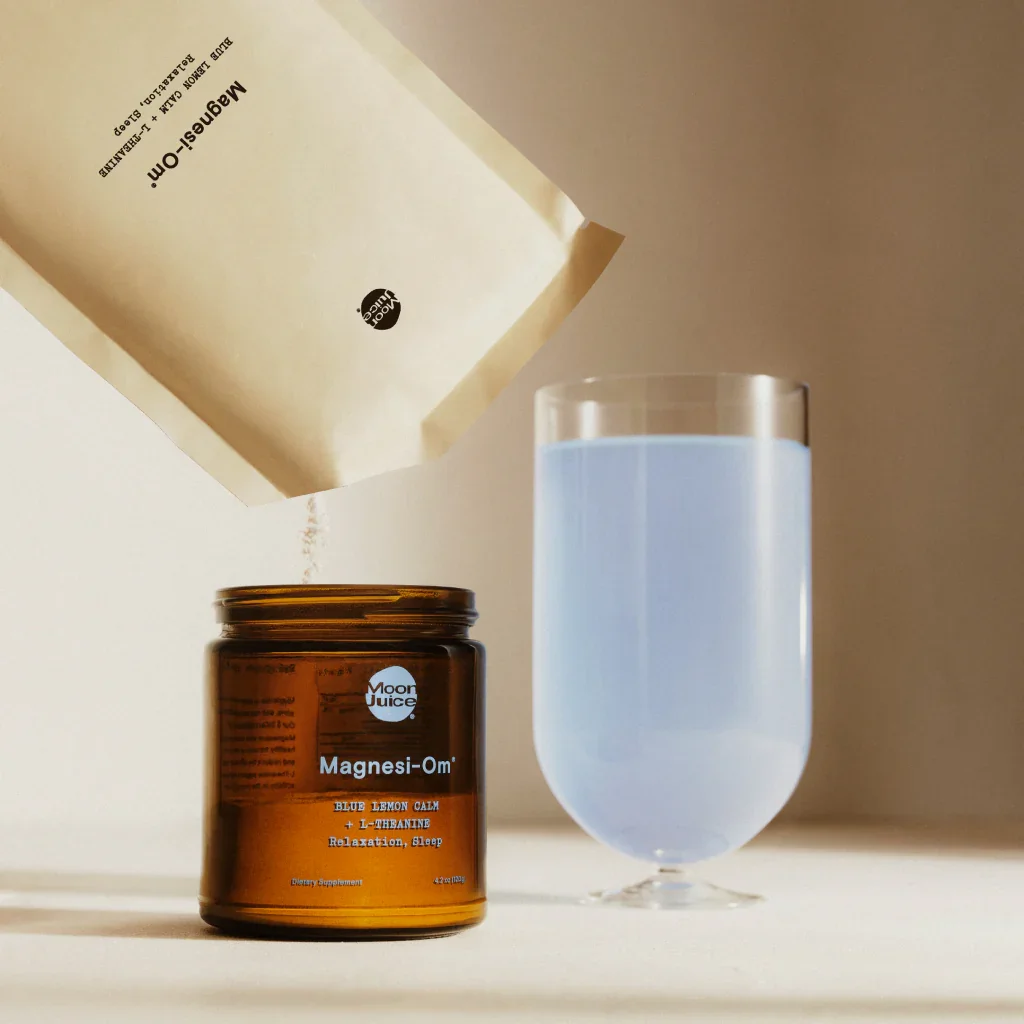
Night Routine Upgrade for Women
✨If your brain refuses to shut the hell up at night, start here. Magnesium isn’t a trend—it’s survival.
Ritual Over Routine (Your Nervous System Needs Signals)
You don’t need another “routine.”
You need ritual—something your body recognizes as:
👉 “We are shutting it down now.”
What Actually Helps:
A warm drink (non-negotiable)
Same time every night (your hormones LOVE consistency)
Dim lighting (no overhead interrogation lighting after 8PM)
This doesn’t need to be elaborate to be effective. Your body responds to repetition, not perfection. A warm drink, soft lighting, and doing the same few things in the same order each night creates a rhythm your nervous system can recognize and trust.
Over time, these small, consistent cues help shift your body out of alert mode and into rest — making it easier to unwind without forcing it.

MUD\WTR Rest Blend
✨ sip slowly
✨ dim the lights
✨ let your body catch up to you
✨Romanticize your night routine like your sanity depends on it. Because it kind of does.
Skin + Body = Hormonal Communication
Perimenopause doesn’t just mess with sleep—it hits your skin, joints, and overall comfort.
Your nighttime routine should double as nervous system regulation + body support.
What Actually Helps:
Retinol or gentle resurfacing treatments (cell turnover slows)
Hydrating serums + barrier creams
Body oil massage (stimulates circulation + relaxes the body)
This is where skincare becomes more than surface-level — it’s part of how you help your body unwind. As hormones shift, your skin needs deeper hydration, support, and consistency, not harsh over correction. Layering nourishing products and taking a few extra minutes to massage them in doesn’t just benefit your skin — it helps relax your body, improve circulation, and signal that the day is done.
Think of this step as both repair and release — restoring your skin while calming your entire system.

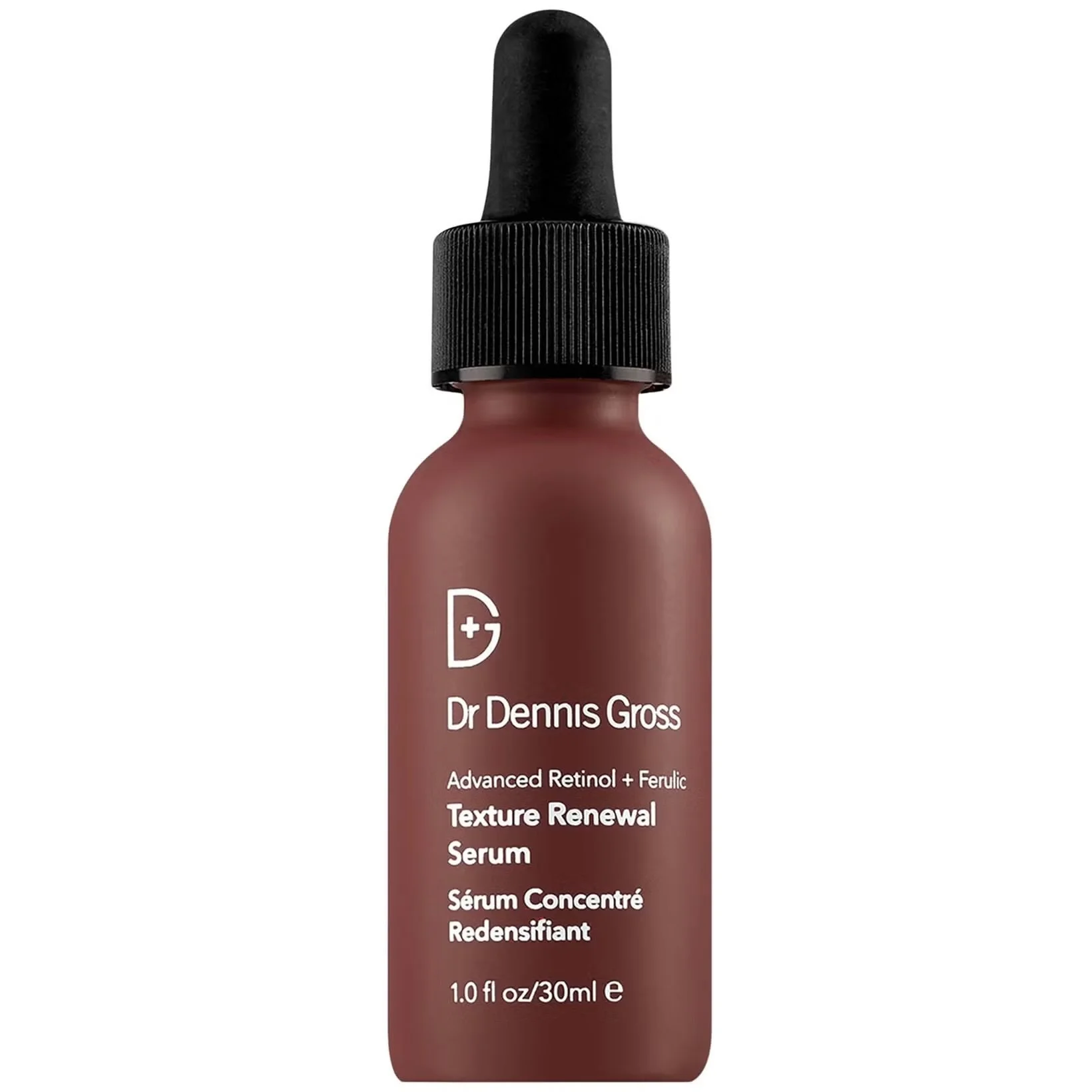


✨Your skin isn’t aging—it’s asking for different support. Listen.
Temperature Control = Sleep Control
Hot flashes at night are personal attacks.
Let’s not pretend otherwise.
What Actually Helps:
Cooling sheets (linen or bamboo)
Lower room temperature (60–67°F sweet spot)
Breathable sleepwear
Bedside fan or cooling device
Your body temperature naturally needs to drop in order to fall and stay asleep, but perimenopause tends to disrupt that process. Creating a cooler, more breathable sleep environment helps support what your body is already trying to do.
Lightweight fabrics, airflow, and lowering the room temperature can reduce night waking and discomfort, allowing your body to settle more easily into deeper, uninterrupted rest.

The 3AM Wake-Up Plan (Because It’s Coming)
Let’s be honest—you will wake up.
The difference is what you do next.
DO:
Breathe (4-7-8 method)
Keep lighting low and warm
Read something boring (no thrillers, no ex stalking)
DON’T:
Grab your phone
Check the time (instant anxiety spike)
Spiral into “I’ll be exhausted tomorrow” panic
Waking up in the middle of the night is common during perimenopause, but how you respond can either calm your system or fully wake it up. Keeping your environment quiet, dim, and low-stimulation helps your body stay in a rest state instead of shifting into alert mode.
Gentle breathing, stillness, or something minimally engaging allows your mind to settle without adding stress, making it easier to drift back to sleep without turning it into a full reset of your night.
🌙 The Truth No One Says Out Loud
Perimenopause isn’t just physical.
It’s:
Hormonal chaos
Emotional whiplash
And a body that suddenly wants a different kind of care
But once you stop fighting it and start supporting it?
Everything shifts.
You’re not “losing it.”
You’re evolving into a version of yourself that requires:
Better boundaries
Better rituals
Better damn sleep
And once you dial this in?
You won’t just survive your nights.
You’ll own them.
Until next time…

Hi I’m E. Lynn creator of The Hollow Quill
Catch up on the latest Flora & Fauna edits on THQ


Hot flashes. Night sweats. Mood swings. Brain fog. Joint pain.
✨ Learn more about how Winona is helping women take control of their menopause journey.


Cook with me!





I finally started the Santa paint by numbers my man bought me last year. My dining table is officially a puzzle table - 1k, 2k, 3k finished this year. One drawer organized at a time.
This isn't a productivity routine. It's what I actually do when I'm avoiding stress - 6 cozy, low-stakes resets that calm my nervous system without pretending I'm zen. No journal required.